
The Rain Photo Dare: Bad Weather, Brilliant Pictures
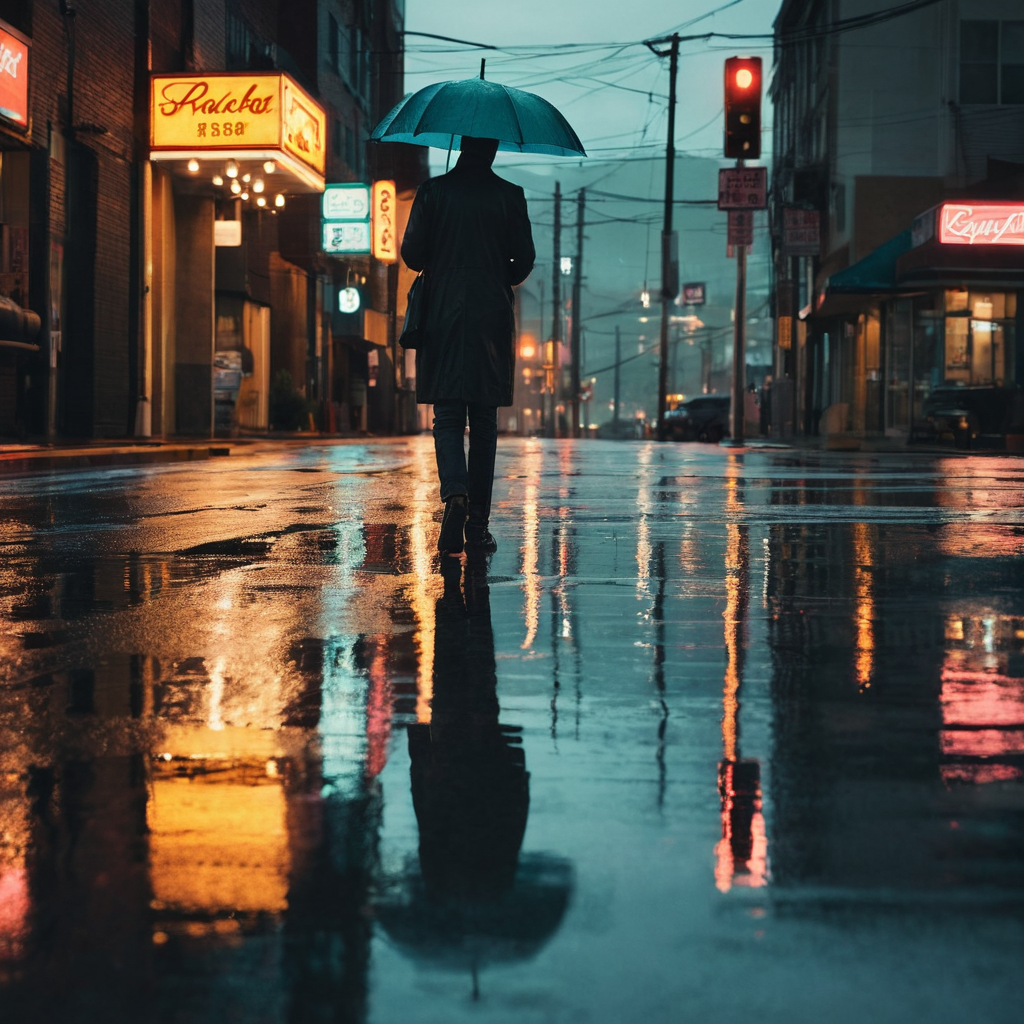
Every photographer eventually says the same thing: the good pictures live in the weather nobody wants to go out in. Grey skies, wet pavement, umbrellas, headlights smeared across a road — that's a whole genre of photography, and most people skip it because they don't want to get damp.
This week's photo dare is about going out anyway.
The dare: shoot three photos in wet weather — one reflection, one person or object sheltering from the rain, and one shot where the rain itself is the subject (falling, splashing, or lit against a dark background). Phone or camera, ten minutes outside, no excuses. If it's not raining where you are, use a hose, a sprinkler, or a puddle and fake it.
Why rain photographs so well
Wet surfaces do something no other condition does: they become mirrors. A pavement that's been rained on for five minutes turns into a low, smeared reflection of every light and sign above it. That's not a trick you can recreate in editing — it's physics, and it's free.
Rain also gives you:
- Atmosphere. Mist, haze and spray separate foreground from background and give depth without any gear.
- Contrast. Overcast light is a giant softbox. Skin tones and colours sit beautifully in it, and there are no harsh shadows to fight.
- Reflections everywhere. Windows, car bonnets, puddles, wet kerbs, bus shelters.
- Motion. Rain streaks and splashes add energy that a dry street simply doesn't have.
- Fewer people. The streets empty out. You get clean frames in places that are normally crowded.
Light is the whole game
Rain photographs badly in flat, even daylight — it just looks like grey mush. What you want is a dark background with a bright light source in front of it. Then rain becomes visible as streaks, and reflections become the subject.
The three setups that reliably work:
1. Street lights at dusk or after dark. Stand so the lamp is behind your subject and the rain falls through the beam. Shoot the pavement reflection underneath it.
2. Car headlights and brake lights. Long exposure, low ISO, tripod or a wall to lean on. Traffic turns into red and white ribbons on wet tarmac.
3. A window with an interior light. Shoot from outside, into a lit shop or café, and catch the rain on the glass plus the reflection of the street behind you.
For daytime rain, look for a dark doorway, a tunnel, a hedge, or a black car to put behind the falling water. Rain against a bright sky is invisible; rain against something dark is a picture.
Settings that actually help
- Slow the shutter for streaks. 1/15 to 1/60 second gives rain a sense of motion. Anything faster freezes individual drops and they disappear.
- Faster for splashes. 1/500 or quicker if you want a crown of water frozen mid-bounce off a puddle.
- Low ISO, then expose for the highlights. Wet streets are full of specular highlights that blow out. Protect them; let the shadows go dark. That contrast is the look.
- Manual focus or tap-and-hold on the reflection. Autofocus loves to grab the far background instead of the puddle in front of you.
- Bracket if you're unsure. One stop under is almost always better than one stop over in rain.
On a phone: use the "pro" or manual mode if you have it, drop the shutter speed for streaks, tap to lock exposure on the brightest light, then drag the exposure slider down a notch.
Protect your gear without fussing
You don't need a rain cover to shoot for ten minutes.
- A clear plastic bag and a hair tie around the lens hood is the classic DIY solution. Shoot through the plastic if you must — a little softness beats a drowned camera.
- A microfibre cloth in your pocket for the front element. You'll be wiping it constantly; that's normal.
- Don't change lenses outdoors in rain. Pick one lens and stick with it.
- A silica gel packet in your bag at the end of the shoot so nothing fogs up later.
- Phones are more waterproof than cameras these days, but check your rating before you trust it. Waterproof is not the same as "fine in a downpour for an hour."
The three-shot challenge
1. Reflection. A puddle, wet pavement, car roof or window that mirrors something above it. Get low. Half the shot is the surface, half is what it's reflecting.
2. Shelter. A person under an umbrella, a dog shaking off, a bird under a gutter, a cyclist in a cape. Shoot from behind or to the side — faces are optional, silhouettes are stronger.
3. Rain as subject. Falling rain against a dark background, a splash on a puddle, water running down glass, or a wet window with the street beyond it.
Post with #DarePiczRain and tell us whether you got wet doing it. Extra credit if you shot all three within one block of your home.
Composition notes for wet streets
- Get low for reflections. Knee height or lower turns a puddle into a mirror that fills the frame.
- Flip your phone upside down and hold it just above the water for a near-perfect reflection shot. It looks like a flood, which is the point.
- Use the umbrella as a frame. Shoot through the spokes, past the canopy edge, or up into it from below.
- Look for colour. Neon signs, wet awnings, painted doors, tail lights. Saturated colour against grey is the entire aesthetic of rain photography.
- Include one human element. A lone figure with an umbrella at the end of a wet street is a story. The same street empty is just a puddle.
Safety, because it's wet and dark
- Watch for cars. Wet roads mean longer stopping distances and drivers with worse visibility. Don't stand in the road for a shot.
- Don't stand under trees in a storm. Wind and lightning both make branches fall.
- Puddles hide potholes. Test depth with a foot before you kneel in one.
- Keep your footing. Wet kerbs and metal drain covers are genuinely slippery. Wear shoes with grip, and don't back up while looking through the viewfinder.
- Charge your battery before you leave. Cold and damp drain batteries faster, and you don't want to lose the shot you waited twenty minutes for.
The honest truth about rain photography
The first ten minutes are miserable. Your hands are cold, your lens keeps fogging, and everything looks grey. Then you find one puddle with a light in it, and the whole session turns around. That's the pattern: rain photography rewards persistence more than gear.
So: coat on, one lens, one cloth, ten minutes. If it's raining right now, go. If it isn't, wait for the next front — and in the meantime, try the [reflection dare](/posts/reflection-photo-dare.html), which is the dry-land version of the same skill.
New to the site? The [30-day photo dare challenge](/posts/30-day-photo-dare-challenge.html) is the best place to start, and the [night lights dare](/posts/night-lights-photo-dare.html) pairs perfectly with a wet evening.
📸 DarePicz hall of fame
Shot this dare? Upload your photo and see it in the community gallery.
📸 Gear for your next photo dare
Pick up some prompting cards and a starter kit to make your dares pop. Supporting links keep DarePicz free.