
Forced Perspective Photo Dare: Make the World Toy-Sized
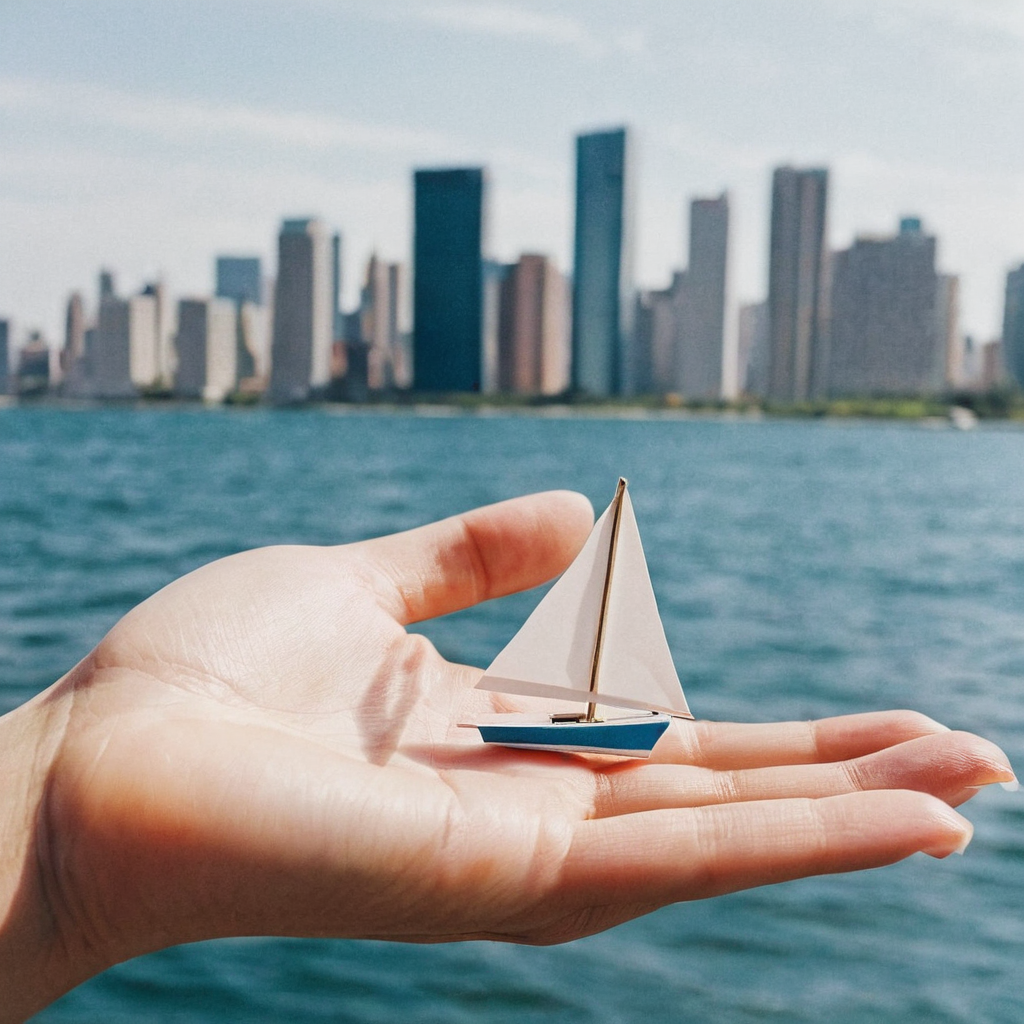
Every camera roll has a thousand pictures of a building. Almost none of them have a picture of somebody holding that building between two fingers. That's the gap this week's dare lives in.
The dare: make three forced-perspective shots this week. One where a real object looks tiny in your hand, one where a person looks miniature against a big background, and one where something ordinary becomes enormous. No Photoshop — the trick has to happen in the camera.
Forced perspective is the cheapest special effect in photography. It costs nothing, needs no gear beyond a phone or a camera, and it's the one visual gag that makes people stop scrolling. It also teaches you more about composition than a month of reading about composition, because you have to solve the shot with distance, height and framing instead of editing.
How to actually land it:
- Get the two subjects on the same line of sight. The trick works when your foreground object and your background object overlap from the lens's exact position. Move your feet, not the zoom. Zooming compresses the depth and makes the illusion fall apart.
- Get low or get high. Most forced perspective dies because the photographer shoots from eye level. Kneel, crouch, or stand on something. The camera angle is the whole illusion.
- Kill the depth cues. Depth cues are what break the trick — a shadow crossing between the two subjects, a bit of ground visible under the foreground object, anything that shows the gap. Line them up so the foreground object sits flush against the background.
- Use a small aperture if you can. A deep depth of field keeps both the near object and the far background acceptably sharp, which sells the "they're the same distance away" lie. On a phone, tap to focus on the near object and hold.
- Shoot the classic hand-and-landmark. Palm up, monument sitting in it. It's a cliché because it works — and it's a great warm-up before you try anything cleverer.
- Then break the cliché. Have a friend stand far away and "hold" a tiny stranger on their fingertip. Have someone "eat" a distant moon. Put a coffee cup where a lake should be. The gag is funnier when the scale relationship is absurd rather than touristy.
- Check the frame before you commit. Forced perspective is unforgiving about edges — a stray lamp post or a foot in shot tells the viewer the truth instantly. Clean the frame, then shoot.
- Take the second shot. Your first attempt almost always misses the alignment by a few centimetres. Shoot, look, adjust, shoot again. Nobody gets it in one.
Editing: keep it minimal. A little contrast, maybe a slight crop to tighten the alignment. The second you start compositing, you've given up on the dare.
The best thing about this prompt: it turns the boring places you walk past every day into props. Your local supermarket, a car park, a bridge, a lamp post — all of it becomes a set. Take the dare, post the pic, and tag it. Big world, tiny you, one frame. 📸
Chasing alignment shots means a lot of crouching and a lot of retakes. A small tripod and a wide-angle lens make the low angles far less miserable — the gear links below keep DarePicz free.
📸 DarePicz hall of fame
Shot this dare? Upload your photo and see it in the community gallery.
📸 Gear for your next photo dare
Pick up some prompting cards and a starter kit to make your dares pop. Supporting links keep DarePicz free.